Museum of Interiors Home

Category

Cultural History

14 articles

Against Coherence: The American Home's Deliberate Embrace of Furniture That Refuses to Agree

Against Coherence: The American Home's Deliberate Embrace of Furniture That Refuses to Agree

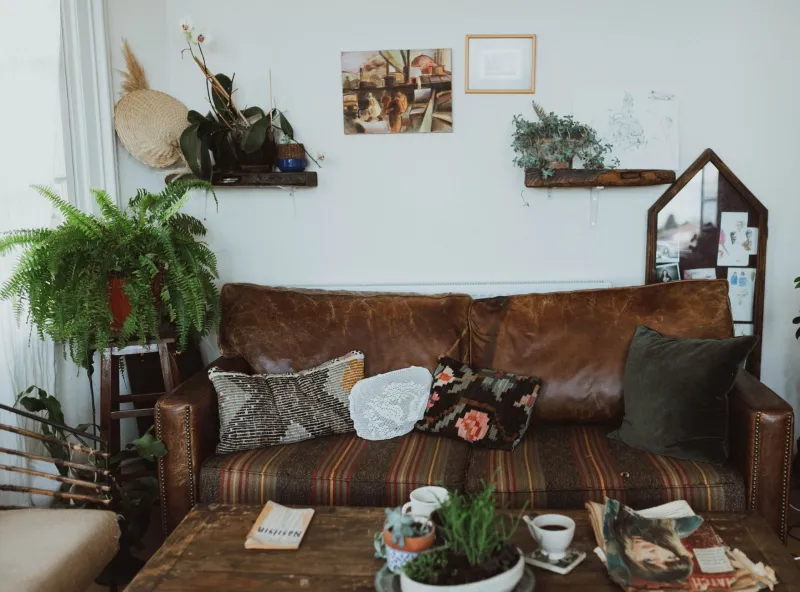
For much of the twentieth century, American domestic taste aspired to a kind of visual consensus—rooms where every piece acknowledged every other piece in a language of shared period, finish, and proportion. That consensus has since collapsed, and in its place has emerged something far more revealing: the deliberately assembled interior, where a Danish credenza from 1962 stands beneath a Victorian mirror and neither apologizes for the company it keeps.
The Unmatched Interior: How Americans Learned to Stop Coordinating and Start Confessing

The Unmatched Interior: How Americans Learned to Stop Coordinating and Start Confessing

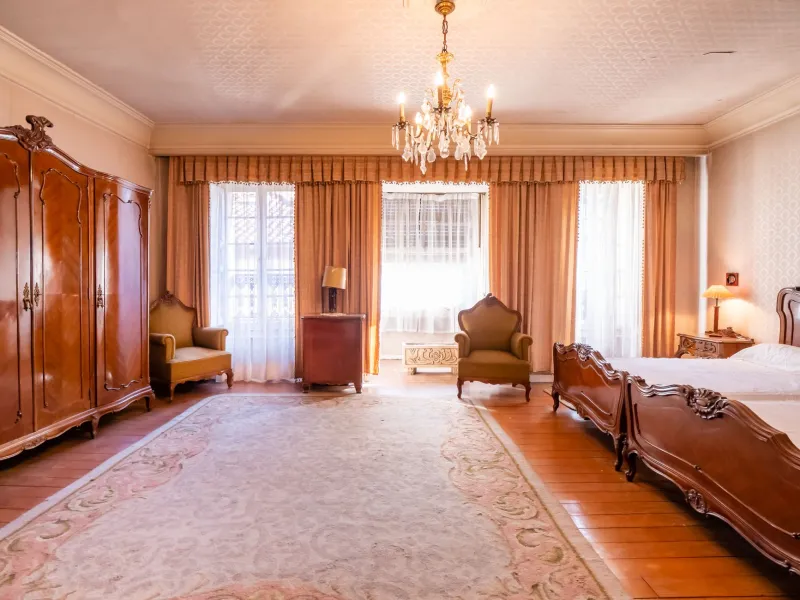
For decades, the coordinated room set was the unspoken standard of American domestic respectability—a signal that its occupants knew the rules. Today, something has shifted: the deliberately mismatched interior has moved from design failure to design philosophy, and the story of that transformation reveals as much about American identity as it does about furniture.

Inherited Weight: How Passed-Down Furniture Quietly Rewrote the American Interior

Inherited Weight: How Passed-Down Furniture Quietly Rewrote the American Interior

Long before the language of sustainability entered the design conversation, American families were practicing a quieter form of preservation — keeping the furniture that came before them. The heirloom piece, once regarded as an obstacle to modern decorating, has emerged as one of the most powerful forces shaping the contemporary domestic interior.

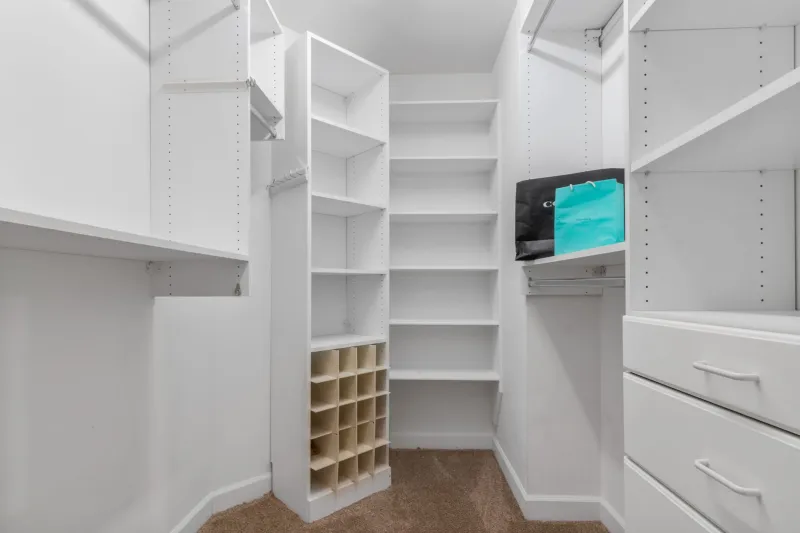
Ordered by Desire: The American Closet as a Portrait of the Self

Ordered by Desire: The American Closet as a Portrait of the Self

What began as a modest alcove for storing household goods has become one of the most psychologically revealing spaces in the American home. The closet's transformation from utilitarian necessity to curated sanctuary mirrors the country's evolving relationship with consumption, identity, and self-presentation. To examine how Americans organize their closets is, in many respects, to examine how they understand themselves.

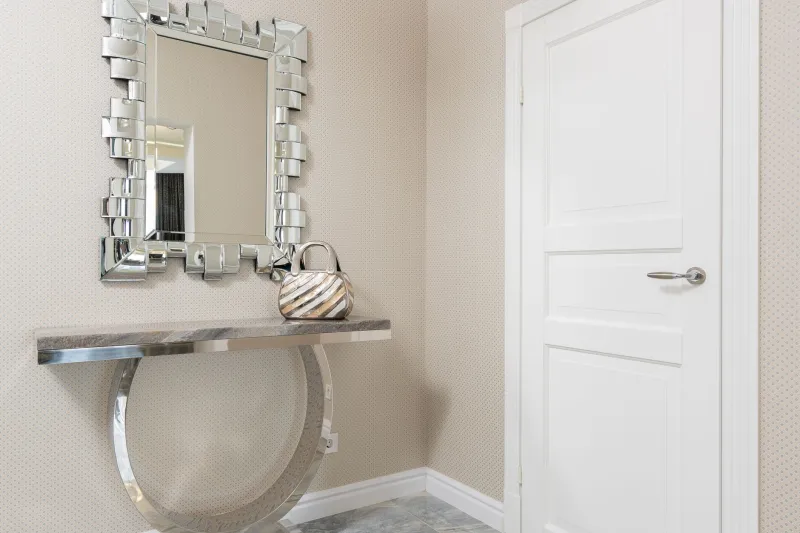
The Threshold Reimagined: America's Entryway and the Architecture of First Impressions

The Threshold Reimagined: America's Entryway and the Architecture of First Impressions

Once little more than a functional corridor between the exterior world and domestic life, the American entryway has undergone a profound transformation. Today it stands as one of the most deliberately designed spaces in the home—a curated prologue to the rooms that follow. This piece examines how a forgotten threshold became the first room Americans actually think about.

The Room That Works: How the American Home Office Ascended from Utility Closet to Curated Statement

The Room That Works: How the American Home Office Ascended from Utility Closet to Curated Statement

Once a folding table wedged into a spare bedroom, the American home office has undergone a remarkable transformation into one of the most deliberately designed spaces in the modern household. This evolution speaks not only to shifts in how Americans labor, but to a deeper cultural renegotiation of identity, ambition, and the meaning of home itself. What a person chooses to display behind their webcam may be the most revealing domestic statement of the twenty-first century.

From Hidden Chore to Considered Room: The Cultural Reinvention of the American Laundry Space

From Hidden Chore to Considered Room: The Cultural Reinvention of the American Laundry Space

The laundry room has long occupied the least glamorous corner of the American home — tucked behind a door, stripped of ornament, and treated as a necessary concession to domestic reality rather than a space worthy of design attention. That consensus has shifted with striking speed. What was once the most deliberately overlooked room in the house is now, for a significant segment of American homeowners, a primary site of design investment.

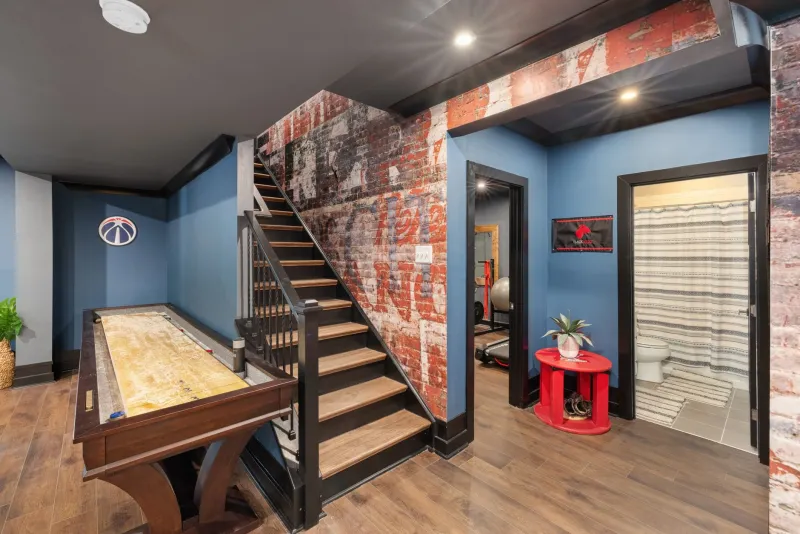
The Annexed Room: How the American Garage Ceased to Shelter Cars and Began to Shelter Lives

The Annexed Room: How the American Garage Ceased to Shelter Cars and Began to Shelter Lives

The American garage began as a modest concession to the automobile — a shelter for machinery appended to the domestic structure as an afterthought. Over the course of several decades, it has become something far more complex: a room that resists easy categorization, a space where identity is constructed and hobbies are pursued and the boundaries between work and home quietly dissolve. Its transformation is one of the more unexpected chapters in American domestic design history.

The Library Empties: What Replaced the Bookshelf as America's Domestic Status Symbol

The Library Empties: What Replaced the Bookshelf as America's Domestic Status Symbol

The built-in bookshelf was once among the most reliable signals of cultivated American domesticity—a wall of spines communicating intellectual identity as clearly as any diploma. Something happened to it. Understanding what displaced it, and what those replacements say about American cultural values, is an exercise in reading interiors as honestly as any text.

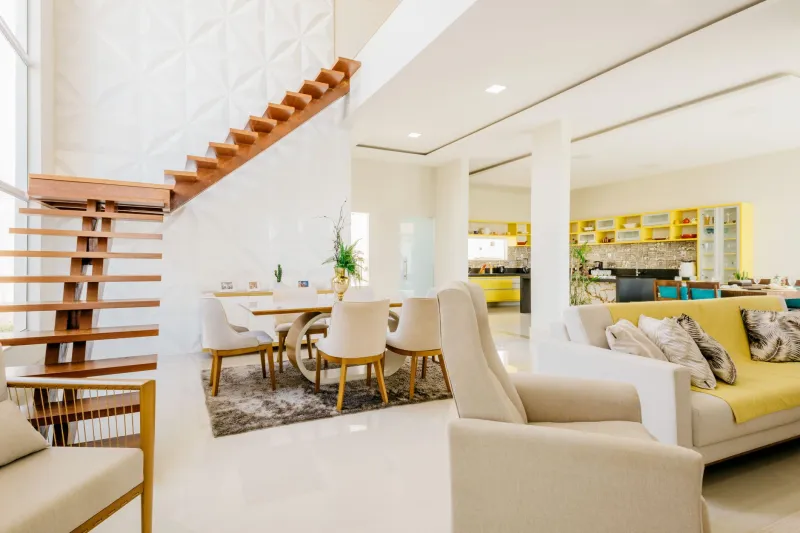
The Room That Received No One: America's Farewell to the Formal Parlor

The Room That Received No One: America's Farewell to the Formal Parlor

For more than a century, the parlor stood as the most carefully curated room in the American home — a stage for social performance, grief, and aspiration. Its disappearance from our floor plans was not simply an architectural decision but a profound cultural surrender. What did we gain from open-concept living, and what, quietly, did we forfeit?

The Vanishing Servant and the Open Kitchen: How Domestic Labor's Decline Rebuilt the American Floor Plan

The Vanishing Servant and the Open Kitchen: How Domestic Labor's Decline Rebuilt the American Floor Plan

The transformation of the American home throughout the twentieth century is typically narrated as a story of aesthetic evolution—the triumph of modernism, the rise of suburbia, the open-plan revolution. Yet one of the most powerful forces reshaping domestic architecture was neither a design movement nor a technological innovation, but a social upheaval: the near-total disappearance of household servants from middle- and upper-class American homes. The floor plans we inhabit today are, in profoun

Walls Without Rules: The Radical Interior Spaces That Rewrote American Domestic Life

Walls Without Rules: The Radical Interior Spaces That Rewrote American Domestic Life

Before the loft became a real estate category, it was an act of defiance. In the industrial districts of New York, Los Angeles, and Chicago, artists and bohemian communities of the 1960s and 1970s transformed raw, unfinished spaces into some of the most influential interiors in American design history — rooms that rejected every convention of the postwar domestic ideal and, in doing so, permanently altered the vocabulary of how Americans think about home.